
When a loved one needs extra help with daily living, cost is often one of the first concerns families consider. Comparing assisted living vs. home care costs involves much more than looking at monthly bills. Hidden household expenses, changing care needs, and lifestyle factors all affect the total investment.
This guide breaks down home care versus assisted living expenses in 2026 so you can better understand what each option includes and which may offer the greatest value for your family's situation.
Understanding Home Care Expenses
Home care costs vary depending on how many hours of assistance someone needs each day. In 2026, home health aides typically charge between $28 and $35 per hour. While that may seem manageable at first, the total adds up quickly.
An older adult receiving eight hours of daily assistance may spend between $6,700 and $8,400 each month. Around-the-clock care can increase costs to $20,000 to $25,000 monthly. Those figures often do not include agency fees, substitute health aides when schedules change, or the ongoing costs of maintaining a house.
The cost of keeping a parent at home often includes:
- Mortgage, utilities, property taxes, and home maintenance
- Groceries, meal preparation, and household supplies
- Safety improvements such as grab bars, ramps, or wider doorways
- Medical equipment and transportation expenses
Together, these additional costs can add another $1,000 to $2,000 each month, making home care more expensive than many families initially expect.
What an Assisted Living Cost Comparison 2026 Shows
Communities offering assisted living generally range from $4,500 to $7,000 per month in 2026, depending on location and services provided.
That monthly fee often includes:
- A private or companion apartment
- Three daily meals with snacks
- Housekeeping and laundry services
- Scheduled transportation
- Daily social events and wellness programs
- Assistance available throughout the day and night
- Building maintenance and utilities
Unlike hourly home care, monthly pricing is predictable. Families avoid coordinating multiple health aides or worrying about gaps in coverage while also eliminating many household responsibilities.
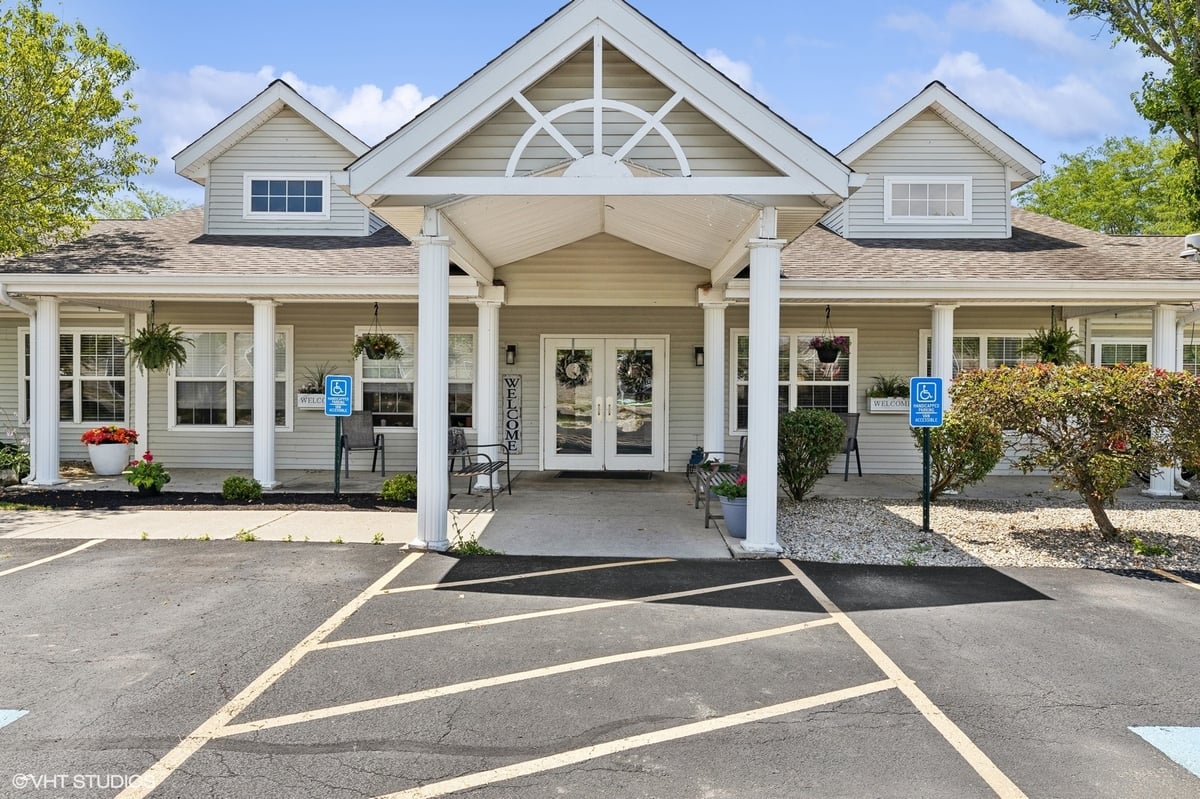
For older adults in Bellefontaine, Campbell Place Assisted Living offers comfortable apartments, restaurant-style dining, housekeeping, scheduled transportation, and a full calendar of social events that encourage connection with neighbors. These services are bundled into a monthly fee, making budgeting simpler while helping residents enjoy a more maintenance-free lifestyle.
For many families, an assisted living cost comparison 2026 shows that community living delivers greater overall value because so many daily expenses are already included.
Comparing What's Included
Home care generally focuses on scheduled assistance with tasks such as bathing, dressing, meal preparation, light housekeeping, and reminders. Once the health aide leaves, family members often become the primary source of help if additional needs arise.
By comparison, assisted living communities provide a broader range of services throughout the day. Residents commonly enjoy:
- Restaurant-style dining with chef-prepared meals
- Housekeeping and personal laundry
- Scheduled transportation for appointments and local outings
- Fitness classes, games, entertainment, and wellness programs
- Opportunities to build friendships and stay socially connected
- Access to assistance whenever it is needed
At Campbell Place, residents also enjoy welcoming gathering spaces and regular community events that help create familiar routines and lasting relationships, reflecting LakeHouse's neighborly approach to senior living.
When comparing home care versus assisted living expenses, it's important to consider everything included instead of focusing only on hourly care costs.
Hidden Costs Families Often Miss
A thorough senior care cost analysis includes expenses that are easy to overlook. Ongoing home maintenance and repairs, seasonal maintenance, higher utility bills, homeowner's insurance, transportation for appointments and errands, and emergency home modifications following a fall or illness can all add up over time.
Families should also consider the financial impact if a loved one reduces work hours or leaves a job to provide care. When these costs are included, the overall financial picture often looks very different than expected.
When these costs are added together, many families begin asking, is assisted living cheaper than home care?
The answer depends on individual circumstances, but once housing, meals, transportation, maintenance, and family caregiving time are included, assisted living is often more affordable than expected.
Making the Right Financial Decision
Every family has different priorities, and every older adult has unique needs. Start by estimating how many hours of assistance are realistically needed each day, including evenings and weekends. Then compare those costs with everything included in a senior living community's monthly fee.
Many families discover that community living provides greater value while reducing stress and creating more opportunities for social connection. Predictable monthly costs can also make long-term financial planning easier.
If you're exploring senior living options in the Bellefontaine area, visiting local communities can provide valuable perspective. Ask what services are included, how pricing changes if needs increase, and what daily life looks like for residents.
Schedule a tour of Campbell Place today to explore your options, ask questions about pricing, and see firsthand how one monthly fee can simplify daily life while providing comfort, connection, and peace of mind.